
The Reason The Row Handbags Manage to Keep Their Worth Year After Year
Consult any consignment buyer as well as secondary-market operator which handbags they compete for, and The Row gets mentioned almost immediately. This is not a brand built on branding marks or fleeting trend cycles. Its foundation lies in the raw materials, the construction methods, and a design outlook that never bends toward trends. Precisely because of this stance the row bags perform so differently from the majority of luxury accessories after leaving the boutique and move into resale channels.
A large share of designer bags lose value immediately upon purchase, occasionally dropping 40 to 60 percent below retail within the first year. The Row’s bags don’t follow this pattern. Some particular models, particularly the Margaux, have been known to resell close to or matching original retail price, and in rare cases higher still, contingent upon leather type, condition, and demand at the time of sale. Grasping the reason means considering how the brand handles design, sourcing, and scarcity — three factors that infrequently converge this precisely in the fashion industry.
The Design Ethos That Drives Lasting Value
The Row, founded by Mary-Kate and Ashley Olsen, has shaped its identity through restraint. There are no logo motifs, no trend-driven charm releases, no periodic color launches meant to fade in relevance after six months. This brand’s overall approach treats clothing and accessories as long-term wardrobe investments rather than throwaway fashion moments. This is hugely important for resale value because buyers are not buying a « moment » — they’re purchasing a shape leopard tote bag and a material that will look identical in relevance five or ten years from now.
Set this against bags built around a specific print, a specific hardware trend, or a specific silhouette bound to a particular runway season. Those pieces age visibly. In contrast, a bag from The Row is crafted to transcend any era. The Margaux, the Ascot, and the tote styles all share this quality: clean lines, minimal hardware, and proportions that avoid referencing any particular era of fashion.
Nothing here happens by chance. The team reportedly dedicates extended development cycles — sometimes over a year — refining a single bag shape before it goes into production. Such dedication shows up later as sustained resale value, because the bag was free from trend dependency to begin with.
Material Quality and Craftsmanship
The row handbags are made using high-grade leathers, often sourced from Italian and French tanneries known for supplying top-tier luxury houses. The leather is thick, the grain is uniform, and the finishing is done by hand in intimate studios rather than mass-production facilities. This directly affects how the bag ages. A expertly cured leather bag develops a patina over years of use rather than cracking, peeling, or losing structure.
The density of the stitching is yet another easy-to-miss consideration. Where a mass-market bag might use a single row of strengthened stitching at points of strain, bags from the row typically display more even and controlled stitch work throughout the seams — clear evidence of patient, more meticulous manufacturing. Hardware components, where included, is generally solid rather than plated, which resists tarnishing over years of handling.
None of this is marketing language; it’s structural. A bag that holds its shape after three years of daily use is a bag that still looks good on a resale listing, still commands a strong price, and still performs as designed. Buyers researching row bags overview content consistently point to this durability as why they’re willing to pay close-to-retail prices secondhand.
Restricted Supply and Limited Distribution
The Row avoids oversaturating the market. Pieces are manufactured in restricted runs and sold through a narrow number of boutiques and select department stores, plus the brand’s own e-commerce channel. There is no outlet arm, no bulk markdown channel, and historically hardly any markdown events. This limited supply is a key driver of resale strength.
If a row sale occurs — typically during limited seasonal adjustments — it tends to feature small price reductions rather than the 50-70 percent slashes common at other luxury houses. As substantial discounts rarely occur, secondhand buyers don’t count on locating the row bag they want at a sharp markdown, so they’re willing to pay closer to full price on the resale market instead.
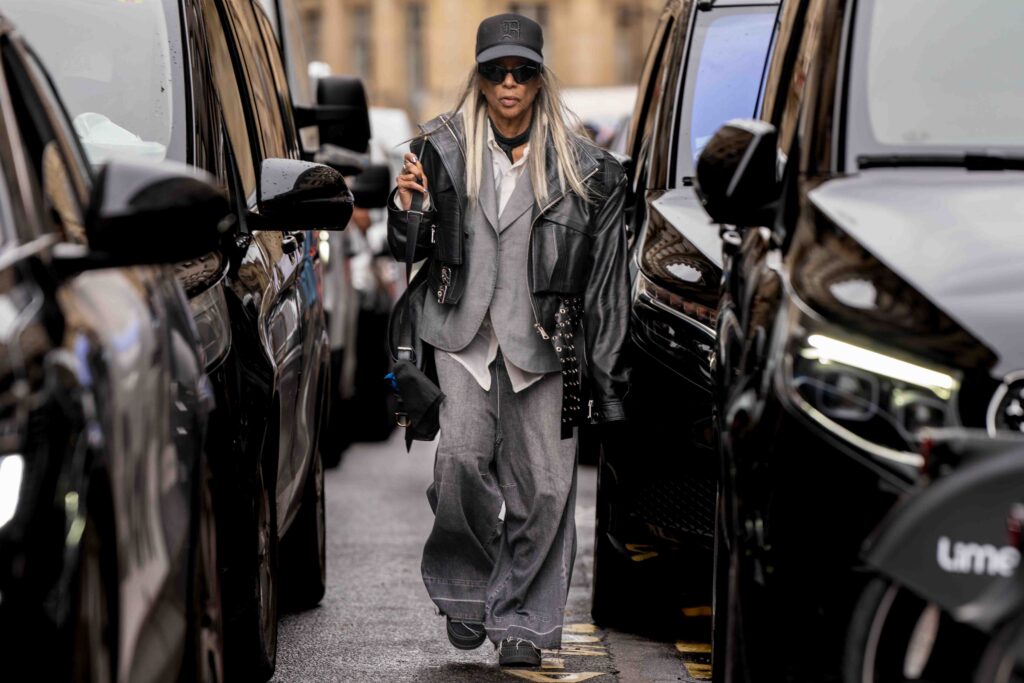
Limited distribution also means fewer bags are in circulation at any given time. For anyone asking where to buy the row margaux bag, the honest answer is that options are narrower than with most luxury brands: the brand’s own site, a small selection of luxury retailers, and authorized boutique locations. That narrow funnel keeps supply tight relative to demand, which is one of the most fundamental and consistent drivers of price stability in any resale market.
A Look at The Row’s Top Bags
Value retention varies across row handbags. A few styles have outpaced others in reputation based on demand, versatility, and how identifiable the silhouette has become. Below is a comparison of some of the most sought-after styles among resale buyers and stylists tracking the best row bags in 2026.
| Style | Silhouette Style | Secondhand Demand | Well-Suited To |
|---|---|---|---|
| Margaux | Structured tote-style bag | Very high | Everyday use and work |
| The Row Classic Tote Bag | Slouchy, generously sized tote | High | Daily errands and trips |
| Ascot | Top-handle style | Medium-to-high | Dressy, formal wear |
| Half Moon shape | Arced-silhouette shoulder bag | Reasonably consistent | Everyday casual use |
Dominating lists of top row bags is the Margaux bag’s calling card, owing to the bag’s flexible design, which means it suits both a professional setting and an off-duty carry equally well. The brand’s classic tote follows closely behind, admired for its roominess and understated logo presence, which makes it easy to pair with virtually every closet. Structured bags like the Margaux typically outperform in resale value compared to completely soft-shaped bags for the simple reason that they display signs of age at a slower pace.
How The Row Compares to Other Investment Brands
Very few brands qualify as sources of bags considered investment pieces: Hermès, Chanel, and a few others where demand reliably exceeds supply. The Row is a more recent addition to that discussion, but its resale performance is already drawing comparisons with these longstanding labels. Differing from Hermès, The Row has no formal waitlist process, but its limited production runs generate the same kind of scarcity minus the multi-year waiting period.
If one factor separates the row bags from other « quiet luxury » names, it’s steadiness. While certain minimalist labels change up their shapes each season, The Row keeps core styles in production for years, occasionally introducing new colorways or hide finishes instead of overhauling the silhouette altogether. That ongoing consistency fosters confidence among shoppers, across both retail and resale markets, because they know the bag they’re purchasing will not be phased out or rendered outdated by next season’s replacement.
The net effect is that used pieces stay stylistically compatible with present-day releases, so resale demand remains stable rather than hinging entirely on each new release.
What to Know Before Buying in 2026
If you’re shopping with resale value in mind, how well-kept and well-documented a piece is carries major weight. Original receipts, dust bags, and authenticity cards all add measurable value to a secondhand row bag. The shade of leather counts too: understated shades such as black, tan, and taupe generally hold resale value more reliably than special-edition or short-run shades, since they match a broader range of wardrobes.
Timing a purchase around a row sale can work in your favor, but don’t expect steep markdowns — a 15-20 percent reduction is more typical than the deep discounts seen elsewhere. For those specifically trying to find the row margaux bag at a reasonable price, checking both the brand’s official channels and reputable resale platforms with authentication services is the safest approach, since availability fluctuates and counterfeits do exist given the brand’s rising profile.
In the end, the row bags retain worth because each element of the picture — design, materials, distribution, and brand discipline — points in the same direction. That alignment is rare in fashion, and it’s precisely why these bags have become some of the most quietly reliable investments in today’s handbag landscape.
